
On this page
Head and readout over the working vacuum range
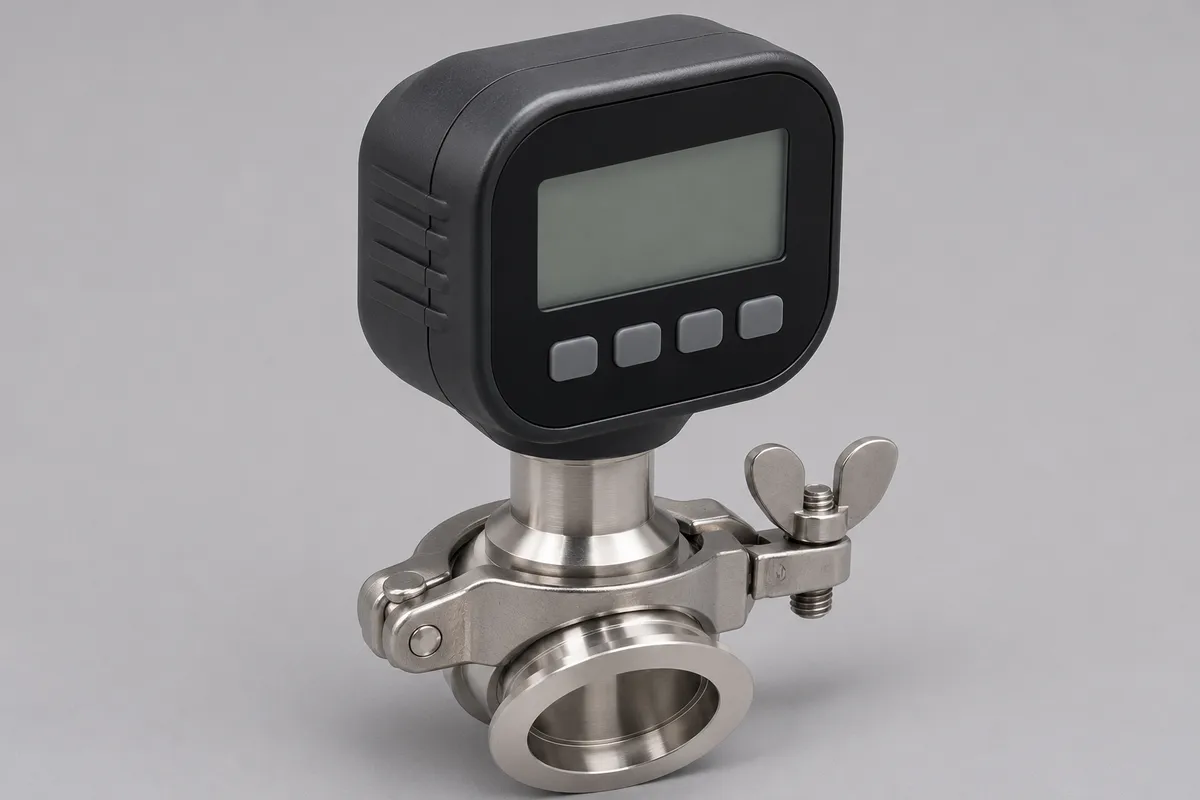
Send the head type, readout model, gas setting and whether the values are absolute or relative to atmosphere. Include the working vacuum before chamber release and any range change near it. These details help compare the instrument with its previous readings.
A controller may display the same nominal pressure with a fine or coarse digit in adjacent ranges. Keep the displayed unit and active range against each observation. They can explain why successive readings appear to change in steps around a set point.
Specifications and service checks
On a vacuum display with several unit options, 1 mbar corresponds to 100 Pa. If an alarm threshold was copied into a replacement gauge, check which unit was active at entry and which unit is shown when the alarm appears.
- Range and configuration
- Specify absolute pressure, full scale and probe principle. At low pressures a numeric reading alone does not establish the gas or controller corrections used.
- Manufacturers and models
- INFICON offers capacitance diaphragm gauges that read absolute pressure. Other probe types infer pressure from thermal conductivity or ion current.
- What we check
- Compare the fitted head and readout with a reference in a common vacuum system over the pressure decades actually used.
- Reference equipment and accuracy
- Select a calibrated absolute vacuum reference covering each pressure decade. Gas species, head position and temperature can affect different probe principles differently.
- When to repeat the check
- Review the zero or base-pressure history and recheck after vent contamination or changing a head-controller pairing.
Technical references INFICON capacitance diaphragm gauges