
On this page
How trays occupy the shelves
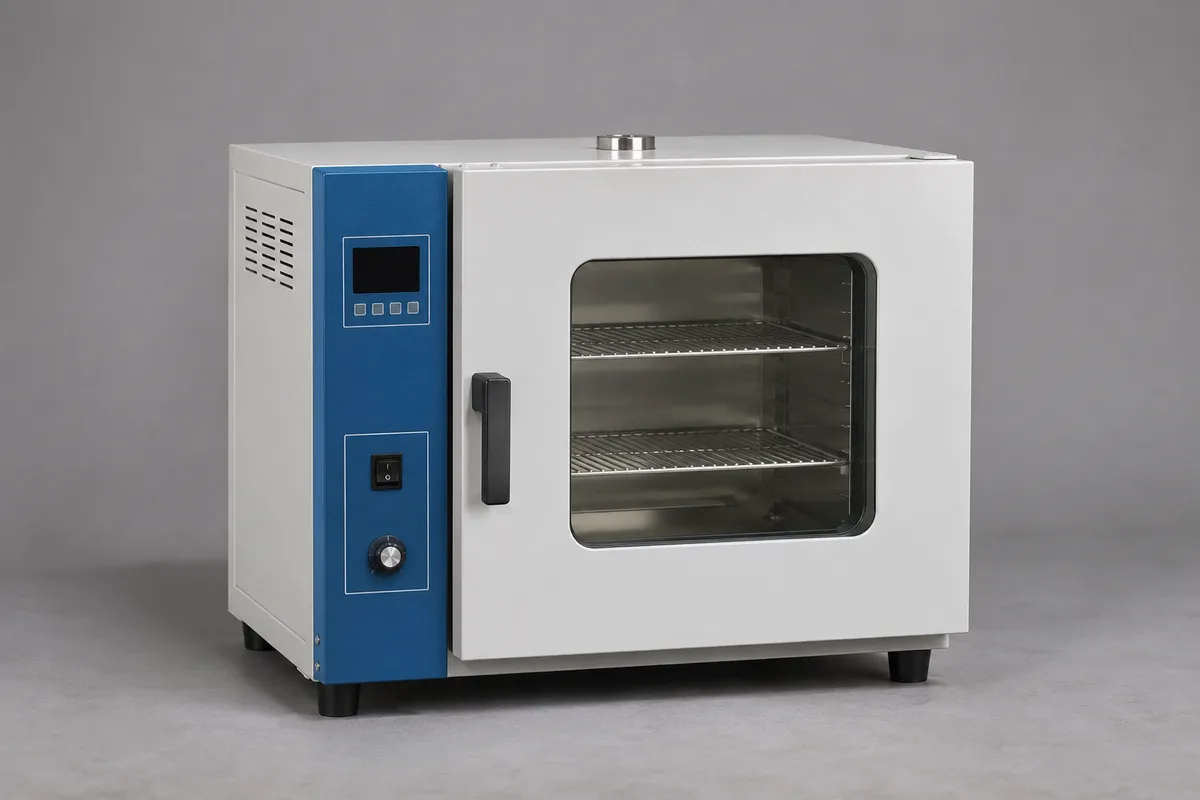
Include shelf spacing and the usual distribution of trays when requesting a survey. A densely occupied shelf can produce a different pattern from an empty cabinet. Label each reading by position and identify the loading condition on the report.
After a fan or seal replacement, the last map can help you select comparable shelf positions. Send the old positions with the new tray layout and mark anything that has moved. If only a few remaining positions are directly comparable, your quality team can still use those readings without treating the two layouts as identical.
Specifications and service checks
A drying tray that spans most of a shelf can alter circulation around the corners. Describe the trays and the shelf spacing normally used. The laboratory can then agree whether the requested positions should represent routine loaded use or a check of the empty oven.
- Range and configuration
- Memmert’s UF110m is specified from 10 °C above ambient to +300 °C. Despatch lists +204 °C as the upper temperature for its LBB forced-convection oven. Model and airflow design matter.
- Manufacturers and models
- Memmert UF and Despatch LBB are examples of forced-convection ovens for laboratory or production work.
- What we check
- Record the load, air flap and fan settings where fitted. Compare the controller reading with calibrated sensors on the shelves used for drying, including the locations that matter most to the load.
- Reference equipment and accuracy
- A calibrated multipoint thermometer or logger measures differences across the oven. Include sensor uncertainty and temporal variation when assessing the specified temperature tolerance.
- When to repeat the check
- Check after fan replacement, door-seal repair or shelf layout changes. An ongoing control-point check helps decide the interval for a full temperature map.
Technical references Memmert UF110m specifications · Despatch LBB forced-convection ovens