
On this page
Tip geometry and the transferred opening
Send the tip shape and the opening sizes used. If a comparison against a ring is required, include the nominal ring diameter and identify the contact region. Worn or rounded tips can make a difference in a shallow recess even when they work in a deep bore.
If a bore inspection starts with a spring caliper and ends with a micrometer reading across its tips, the final number relies on both tools. Include the micrometer identity if your quality team needs the whole transfer measurement assessed together.
Specifications and service checks
A spring inside caliper used in a bore can open slightly as it crosses the mouth during withdrawal. Explain how the dimension is transferred to the reading instrument, particularly for a blind bore or a bore with a narrow entrance.
- Range and configuration
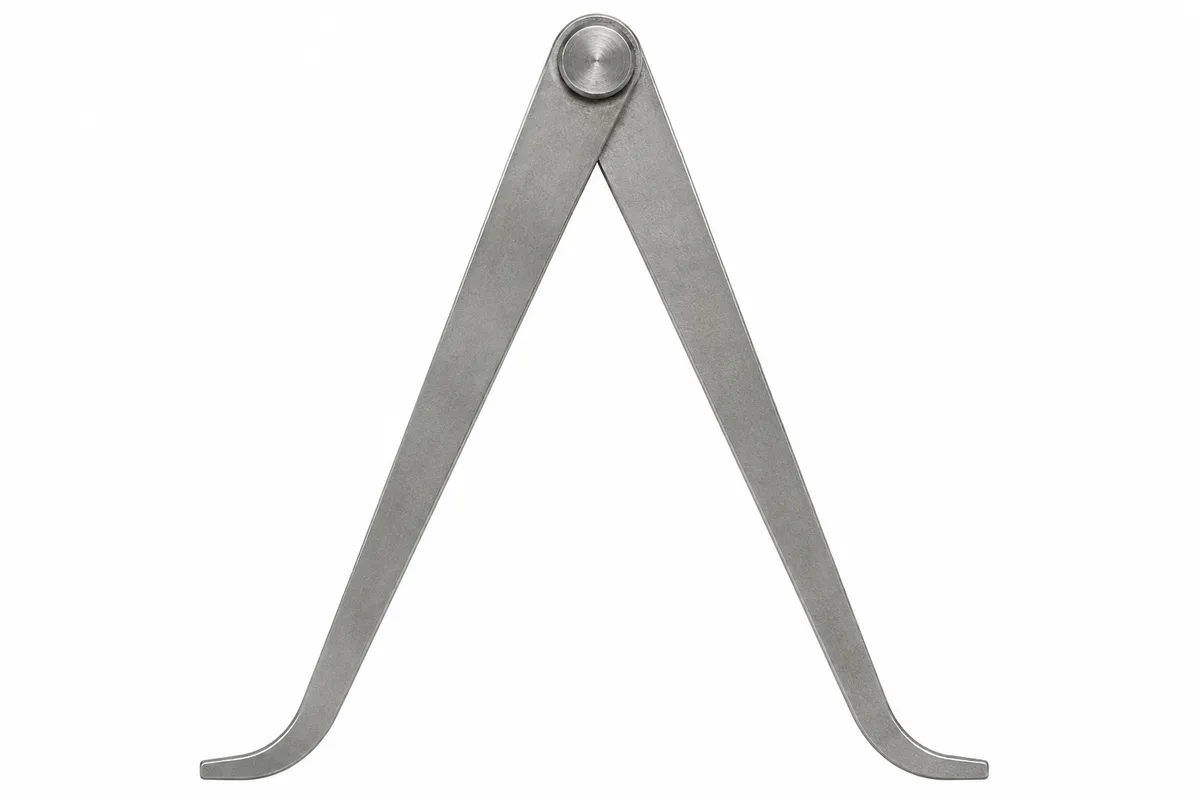
- Starrett’s 274-3 is a 3 in spring-type inside caliper. Its quoted capacity describes the reach. A plain pair of legs transfers a dimension to a separate measuring instrument.
- Manufacturers and models
- Starrett’s Series 274 and Series 73 include spring-type inside calipers with different leg and adjustment arrangements.
- What we check
- Set the legs to a known opening, then compare the transferred size in the same manner used by inspection. Check that the spring and adjustment maintain the setting during withdrawal.
- Reference equipment and accuracy
- Use a calibrated ring or internal-length fixture and an independent traceable readout. Repeatability of the operator’s contact pressure matters to a transfer comparison.
- When to repeat the check
- Check the setting retention and leg tips after damage. Track an inspection interval for the caliper and a calibration interval for the readout that supplies the numerical result.
Technical references Starrett Inside caliper reference · Starrett Inside caliper reference