
On this page
Gas setting at the chamber’s release pressure
For a vacuum dryer, the pressure at the end of a cycle may matter more than the pressure during pump-down. Mark the part of the cycle that determines acceptance, the gas present and the range you want checked. We can then associate the result with the head, controller and gas setting in use. A replacement head or recent cleaning is worth noting if the concern is a change from the last reading.
Pirani gauges
State the gas or correction setting, controller identity and pressure interval required. If the instrument changes automatically between sensing principles, identify the range to be evaluated. RTS calibrates the Pirani gauge using the specified gas and pressure points. Keep the selected gas and any adjustment history with the result rather than reporting an unqualified vacuum value.
Specifications and service checks
A Pirani gauge infers pressure through heat transfer to the gas. If a process changes from air to another gas, the same indication may no longer correspond to the same pressure. Identify the gas used on the calibration setting and the gas present in operation.
- Range and configuration
- Give the pressure decades and the gas selection. A reading referenced to nitrogen can differ on a different gas at the same true pressure.
- Manufacturers and models
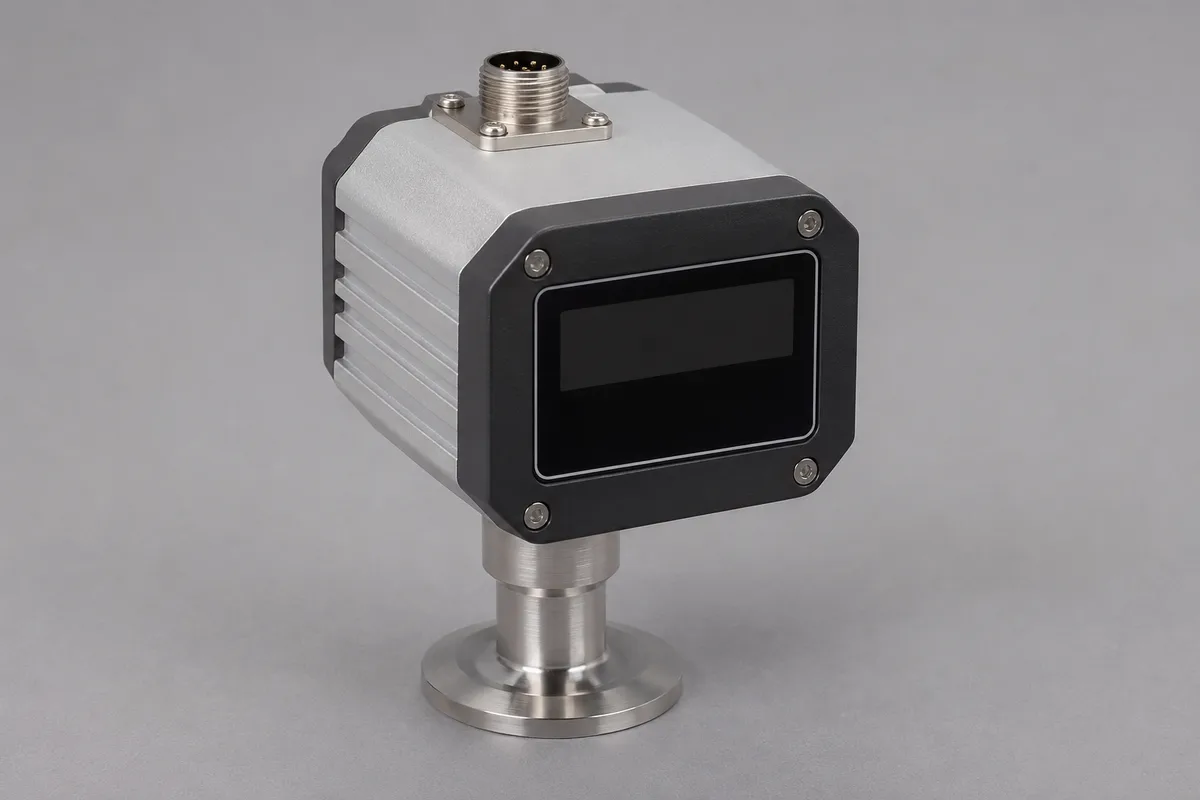
- Pfeiffer Vacuum specifies a measuring band of 10⁻⁴ to 10³ hPa for its TPR 280 transmitter. Its accuracy varies across that band and the reading depends on the gas.
- What we check
- Compare the indicated pressure against a calibrated absolute reference over the relevant decades with the stated gas.
- Reference equipment and accuracy
- Use calibrated vacuum references suitable for the pressure band and known gas. Stabilisation and temperature near the head affect the comparison.
- When to repeat the check
- Recheck after exposure to vapours or deposits that alter heat transfer at the sensing element.
Technical references Pfeiffer Vacuum TPR 280 technical data