
On this page
Tape support and reference tension
List the intervals required and how the tape is supported in service. For a hook tape, identify whether pushed and pulled readings both matter. For a long tape, include any stated tension and reference temperature so the reported length can be understood under the conditions of comparison.
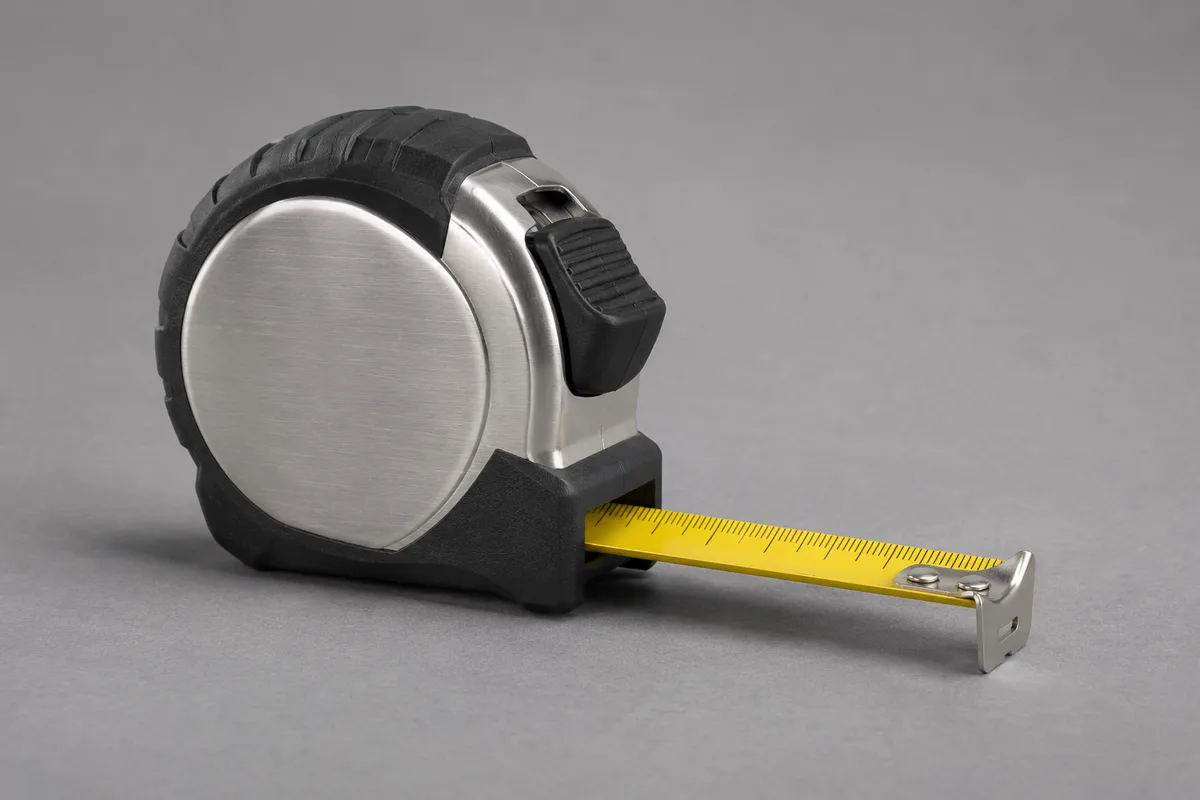
If a damaged hook prevents a reliable end reading, comparisons can start at the 100 mm line and cover intervals farther along the tape. That result describes the intervals between graduations. If the crew still measures from the hook, request a separate check of that zero.
Specifications and service checks
A long steel tape hung between two supports forms a sagging span. A fully supported length comparison and a field measurement taken in suspended spans use different conditions. Record the supported lengths and applied pull where the field measurement matters.
- Range and configuration
- The RTS scope lists tape comparisons up to 50 m for a least count of 1 mm. Identify the working length and whether the zero is a hook, ring or printed line.
- Manufacturers and models
- Stanley sells long tapes and PowerLock retractable tapes. The blade material and type of end fitting influence the comparison.
- What we check
- Compare selected marks on a length bench with controlled support and tension. For a retractable hook, check inside and outside use separately if both are used for the job.
- Reference equipment and accuracy
- Compare graduations under the stated pull and at a recorded temperature. A calibrated reference tape or length bench provides the reference. The thermal expansion of a steel blade matters over long lengths.
- When to repeat the check
- Check hook movement and the first few graduations before routine use. Review a tape after a sharp kink or damage to the end fitting.
Technical references Stanley Tape Measures · CC-4643 calibration scope, page 18