
On this page
Locking the wrench at the working torque
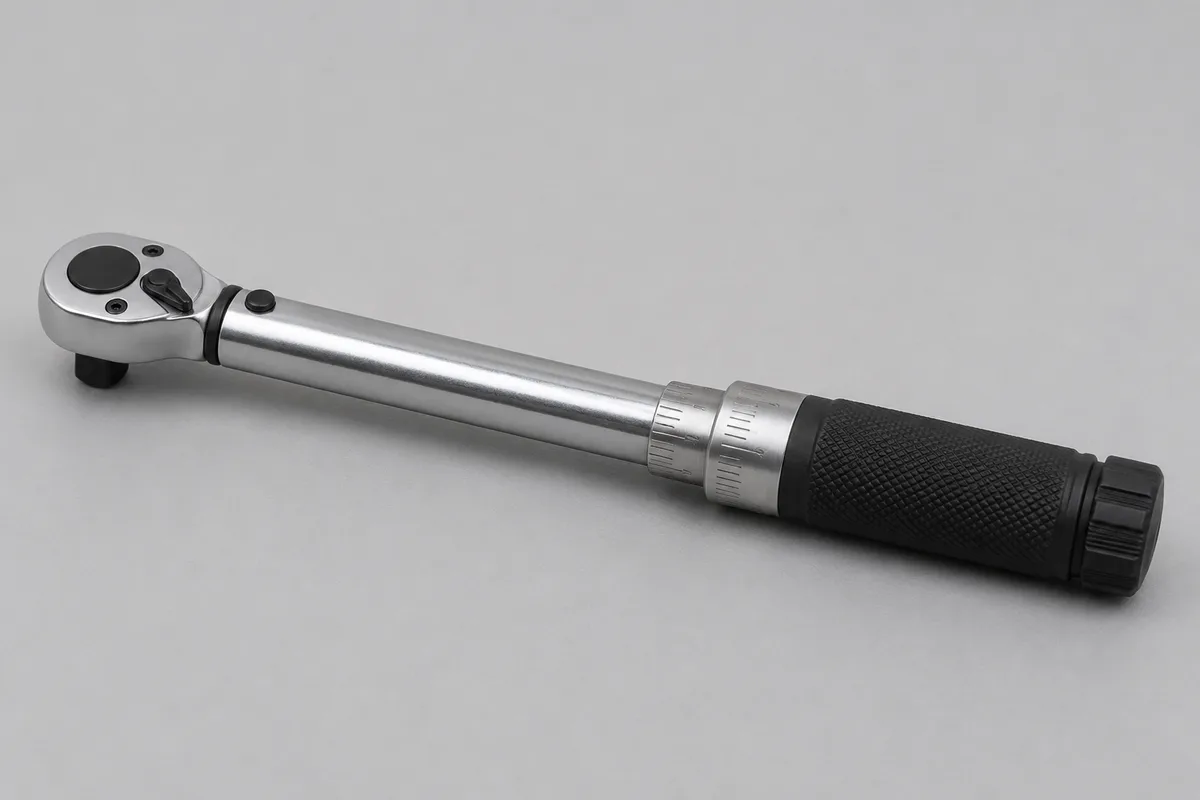
Describe how the operator reaches and locks each setting and whether the wrench is used clockwise, counter-clockwise or both. If an interchangeable end changes the effective length, identify the end fitted. Give the torque settings tied to production fasteners.
A plant may use one wrench on two assemblies with widely different tightening values. Recording those two settings gives purchasing a clearer specification than the maximum stamped on the handle. Include any detachable head that stays with the wrench.
Specifications and service checks
Two shifts use 25 N·m and 60 N·m on the same wrench. If the handle scale slips when the lock is tightened, note the setting before and after locking. This identifies a setting problem distinct from the torque at release.
- Range and configuration
- Norbar’s Pro 200 is adjustable from 40 to 200 N·m. Its Pro 50 covers 10 to 50 N·m. Select the size that includes the production torque.
- Manufacturers and models
- Norbar Professional Pro 50, Pro 100 and Pro 200 are adjustable examples. A model number identifies the range more reliably than its square-drive size.
- What we check
- Compare the indicated or release torque at the agreed settings and in the service direction. Record repeat releases and the drive or interchangeable head in use.
- Reference equipment and accuracy
- A calibrated torque transducer and loading system cover the working span. The transducer certificate must cover the direction, points and uncertainty needed near the lowest setting.
- When to repeat the check
- Use the control plan and the maker’s interval or cycle count. A dropped handle, head repair or change in release behaviour warrants an earlier check.
Technical references Norbar Professional adjustable wrenches