
On this page
When the weight represents force or pressure
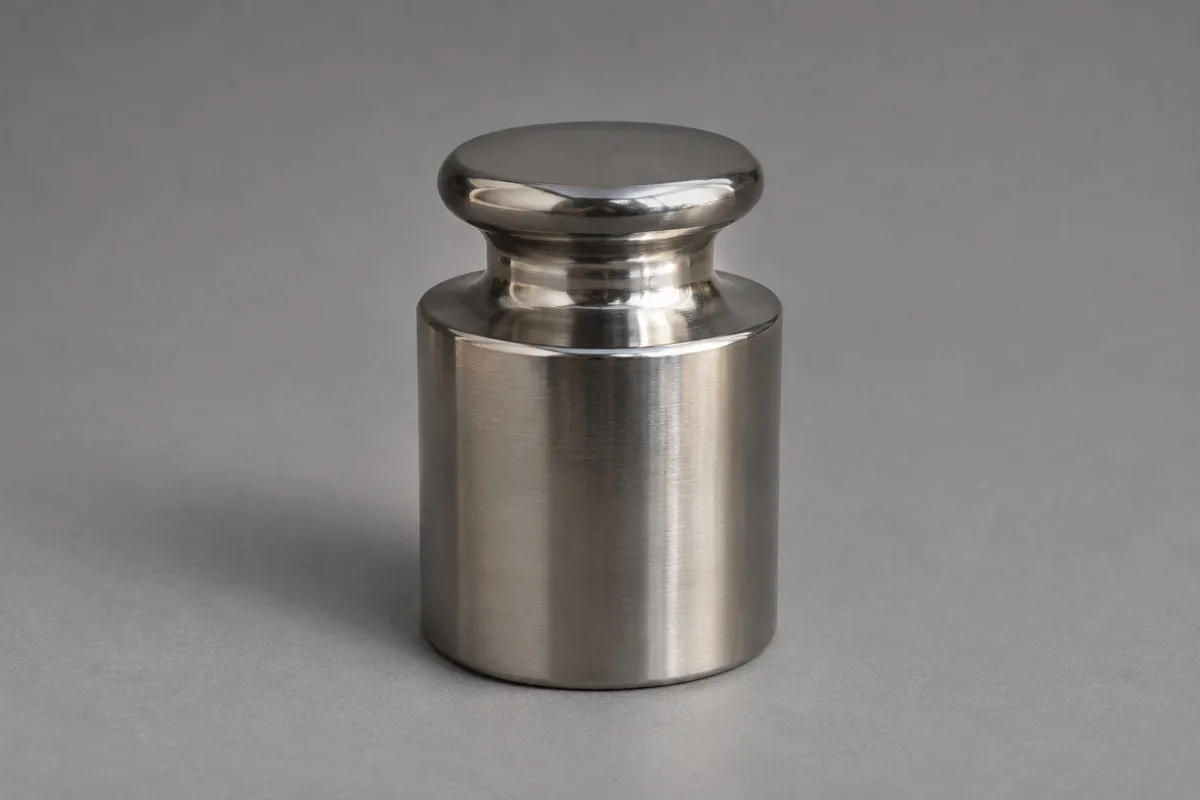
Record the markings, nominal mass if known, and the equipment with which the piece is used. If the required result is force or pressure, identify the complete arrangement and the conversion used. Loose pieces sent for mass calibration should each have a traceable identifier.
Dead weight used as a reference
Identify hangers and individual pieces separately. A mass result alone does not describe every force application or a pressure balance's piston assembly. RTS calibrates the reference set for the intended mass or force quantity, recording the corrections required by the procedure.
Specifications and service checks
A piece stamped in kilograms can be a mass or part of a pressure balance load set. Identify the assembly it belongs to. Converting that mass to applied force also needs the appropriate acceleration due to gravity.
- Range and configuration
- A piece stamped in pressure units belongs to a specified piston-cylinder system. For a piece used as an applied load, record its nominal mass or force separately.
- Manufacturers and models
- Fluke Calibration P3000 pneumatic deadweight testers use matched mass sets. Identify the tester and the individual weight markings.
- What we check
- For a mass result compare the piece with calibrated mass standards. To report generated pressure or force, the complete system and applicable corrections must also be identified.
- Reference equipment and accuracy
- A mass comparator and calibrated weights establish conventional mass. Pressure generation additionally depends on the effective piston area and on gravity.
- When to repeat the check
- Keep the weight with its set and review after damage, material loss or addition. Separate the weight recall from the piston-cylinder calibration history.
Technical references Fluke P3000 deadweight testers