
On this page
Pull force, shaft torque or calculated power?
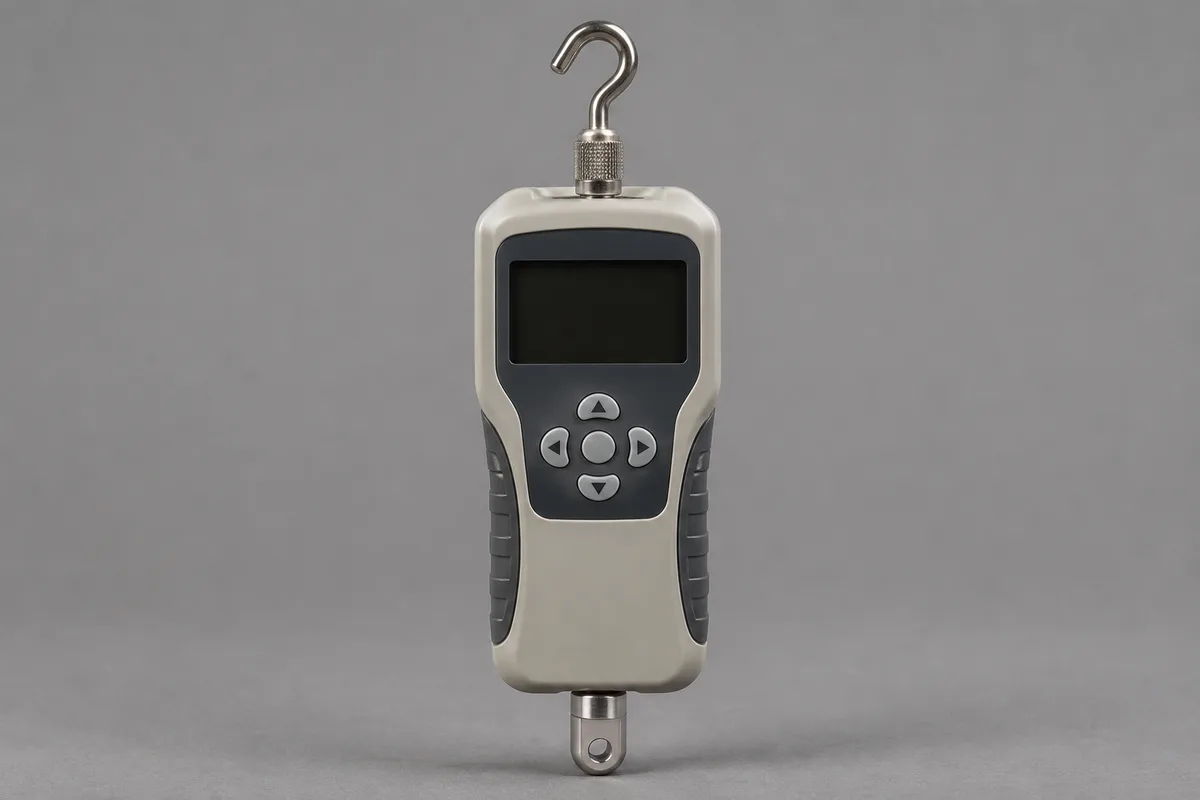
For a pull instrument, include the loading fittings and the working range. For a rotary installation, describe the torque channel, speed channel and direction of drive. Where the result is calculated power, identify the channels that contribute to that figure.
In steady rotation, 10 N·m at 600 rpm corresponds to about 0.63 kW of mechanical power. A pull gauge reading 10 N cannot supply that power figure. If the buyer orders a dynamometer check for a drive bench, the record should identify both the torque channel and the speed used in the calculation.
Dynamometer measured quantity
Give the actual model, sensor, displayed quantity and unit. For a force instrument, identify tension or compression and the loading attachments. If the system measures torque, speed or calculated power, list those channels separately. RTS calibrates the specified torque, force or power-related measurement with the dynamometer configuration recorded.
Specifications and service checks
A torque dynamometer on a drive bench and a tensile dynamometer on a lifting rig can both show a peak. Identify the unit attached to the peak, the loading direction and whether the reading came from a rotating or stationary assembly.
- Range and configuration
- Straightpoint Radiolink plus tension dynamometers are offered in capacities from 1 to 500 tonnes. A rotary dynamometer measuring shaft torque and speed requires different checks.
- Manufacturers and models
- Straightpoint Radiolink plus is a wireless tensile load link. Confirm whether the asset is a load link or a rotating machine.
- What we check
- For a tension link, apply traceable axial loads and record the response of the complete load link and display. Check any selected alternate unit or peak setting used for the lift.
- Reference equipment and accuracy
- Use a force machine or calibrated force reference with suitable shackles and clear force units. If results are expressed in mass units, agree the conversion basis.
- When to repeat the check
- Following an overload or a change of shackle, inspect the load path before the next measurement. Check zero under the same hanging conditions used at work.
Technical references Straightpoint Radiolink plus · ISO Force-proving instrument calibration