
On this page
Matching the scale to the input terminals
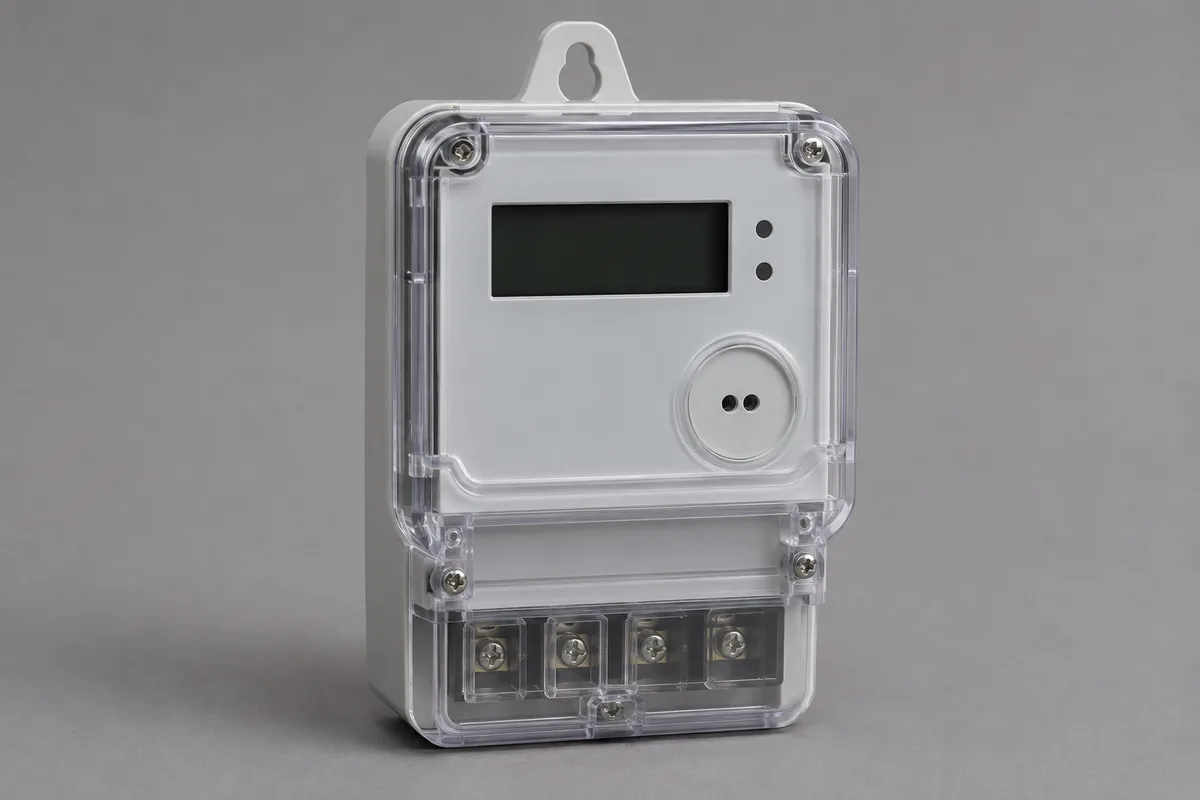
Include a photograph of the scale, connections and model plate. If the meter is fed from a transformer, shunt or external transducer, list that component and its ratio. This identifies the reading that needs comparison and the signal the meter actually receives.
When the asset register only says electrical meter
A single-function panel instrument, handheld multimeter and energy meter need different work. Record what the display indicates, its units, the selected range and how the input is connected. RTS calibrates the identified indication and selected ranges, with the input connections recorded for each function.
Specifications and service checks
For a multifunction switchboard meter, take a photo of the displayed quantity as well as the front label. An equipment list may call it the “main meter” while the operator actually uses only line-to-line voltage and total kW. These two functions need different test signals.
- Range and configuration
- Specify the actual unit, range, AC frequency and transducer scaling. A face marked 0–100 A can have a 5 A transformer input, while a meter on the same panel may total energy in kWh.
- Manufacturers and models
- Fluke 87V is an example for voltage, current and resistance. Yokogawa WT310E measures power, while Schneider iEM3200-series instruments register energy. Copy the function and wiring from the panel.
- What we check
- For a voltage or current indication compare the reading with its electrical input. A power reading also requires controlled phase, and an energy register requires known power integrated over time.
- Reference equipment and accuracy
- Use a calibrated electrical source or meter for voltage, current or resistance. For power and energy use a characterised power reference and timing or pulse measurement as applicable.
- When to repeat the check
- Keep the history by function and input channel. A changed shunt, transformer ratio or register configuration warrants a fresh check of the affected indication.
Technical references Fluke 87V Industrial Multimeter · Yokogawa WT300E series specifications · Energy meters iEM3100 / iEM3200 / iEM3300 series User manual