
On this page
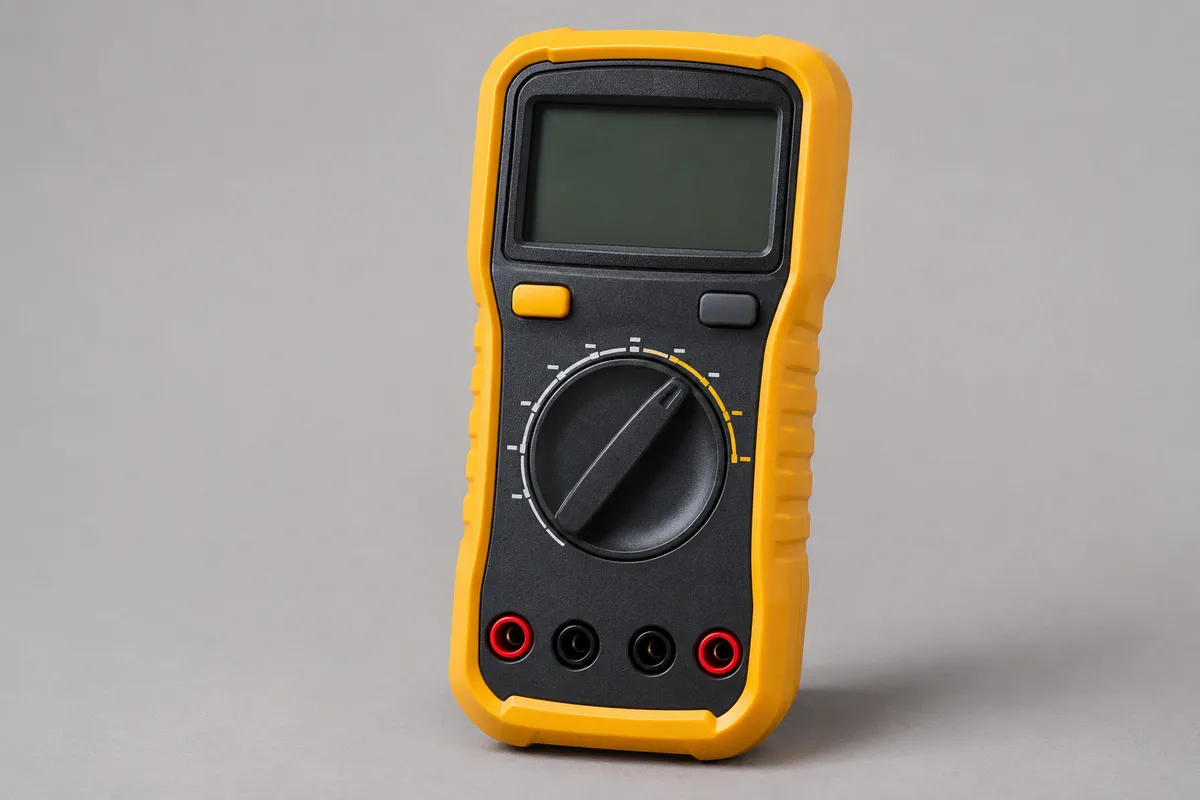
Input terminals and the functions used in the field
Identify the functions used for decisions in the field, the terminals involved and the normal signal range. If a detachable temperature probe is part of the kit, specify whether a comparison is needed for the meter input or for that probe and meter together.
A technician may record motor-control voltage through the voltage terminals and milliampere loop current through a separate fused input. Identifying both measurement paths on the order prevents a voltage-only comparison from being mistaken for a check of the complete field routine.
Specifications and service checks
When the maintenance sheet calls for continuity through a door interlock, check whether staff record a resistance value or listen for the sounder. An audible response is useful on the line, but its threshold and response time answer a different question from the displayed resistance.
- Range and configuration
- The 87V measures up to 1,000 V AC or DC and normally up to 10 A through the current input. Resistance and AC frequency limits have their own specifications.
- Manufacturers and models
- Fluke 87V is a handheld true-RMS example with DC and AC measurement functions. The complete model matters for frequency response as well as voltage rating.
- What we check
- Compare indication with known voltage, current and resistance values on the functions the user needs. For AC, identify frequency and waveform conditions rather than relying on a single mains-frequency point.
- Reference equipment and accuracy
- Use a traceable multifunction source and suitable resistance references. Compare the source uncertainty with the meter's range-specific accuracy, including counts.
- When to repeat the check
- Track results on the functions used in the field. Check the current input after a blown fuse and investigate leads or terminals if readings change when the meter moves.
Technical references Fluke 87V Industrial Multimeter