
On this page
Which workplace exposure profile is selected?
For a repeated survey, send the profile name or a photo of its settings screen. The dosimeter may use a different exchange rate or criterion level on another profile, even with the same microphone fitted. We can check the indicated sound level, elapsed time and accumulated exposure that your workplace records. Identify which readings go into the survey report and whether more than one microphone is in use.
Personal noise dosimeters and shift records
Copy the settings from the approved survey procedure: frequency weighting, criterion level, threshold, exchange rate and measurement duration where the instrument uses them. These settings affect the reported dose, so a percentage value without its configuration is incomplete.
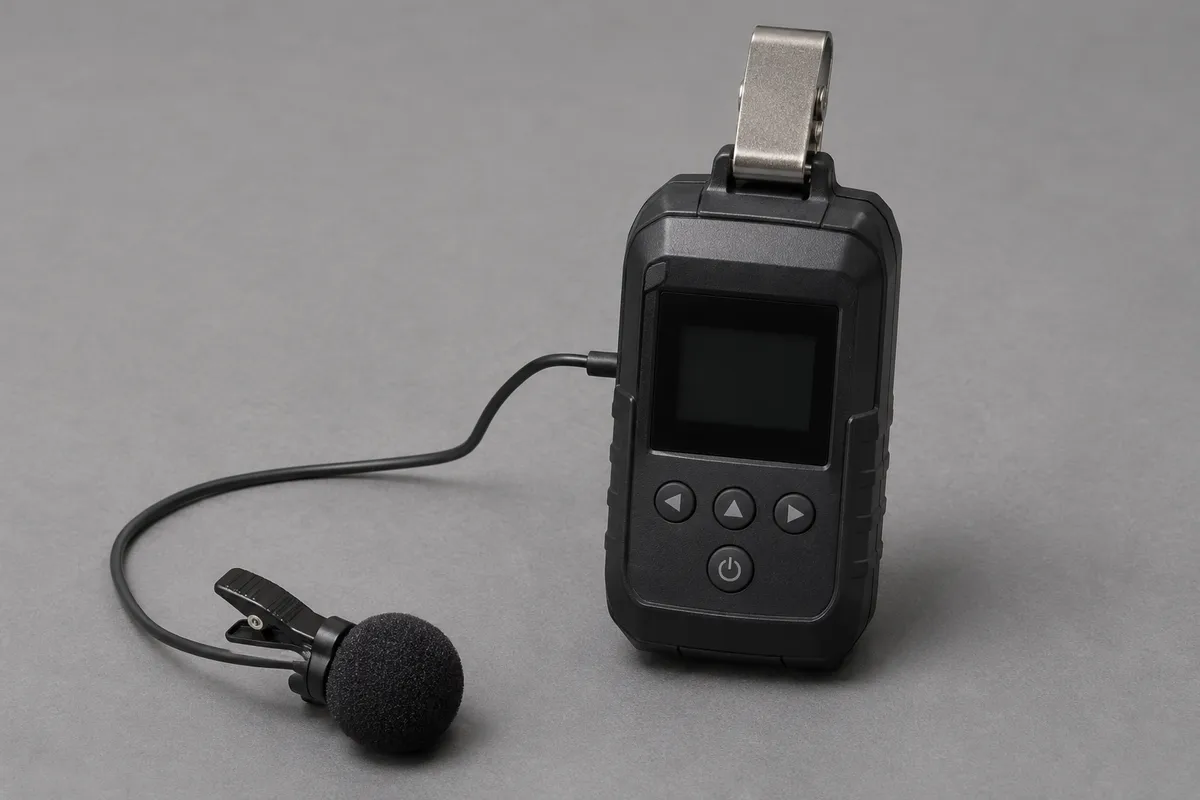
A personal dosimeter can require acoustic-response, stored-history and integrated-result checks. The report should identify the selected functions and the settings behind the percentage dose. Retain field-check records with the instrument history. Workplace exposure assessment additionally uses the person's measurement period and survey procedure; it is a distinct task from calibrating the dosimeter.
Specifications and service checks
A shift report may give an eight-hour equivalent level even though the worker wore the dosimeter for six hours. Identify the reported metric, measurement duration and dose criterion. A calibration of acoustic sensitivity does not establish how a report normalised the shift.
- Range and configuration
- Exposure is accumulated over time. The exchange rate, criterion level, threshold and time weighting affect a reported dose even at the same sound level.
- Manufacturers and models
- Casella dBadge2 is a personal noise dosimeter. Record the dose settings, microphone and applicable measurement profile.
- What we check
- Apply known sound levels for defined durations and compare the level and accumulated result in the requested profile. Record the pre- and post-use checks separately.
- Reference equipment and accuracy
- Use a calibrated acoustic source or comparison microphone and a traceable time reference. Check suitability for the required sound levels and frequencies.
- When to repeat the check
- Keep routine before- and after-use acoustic checks and periodic documented calibration. Reassess after microphone or case damage.
Technical references dBadge2 Noise Dosimeter Datasheet - English (US)