
List the available output settings
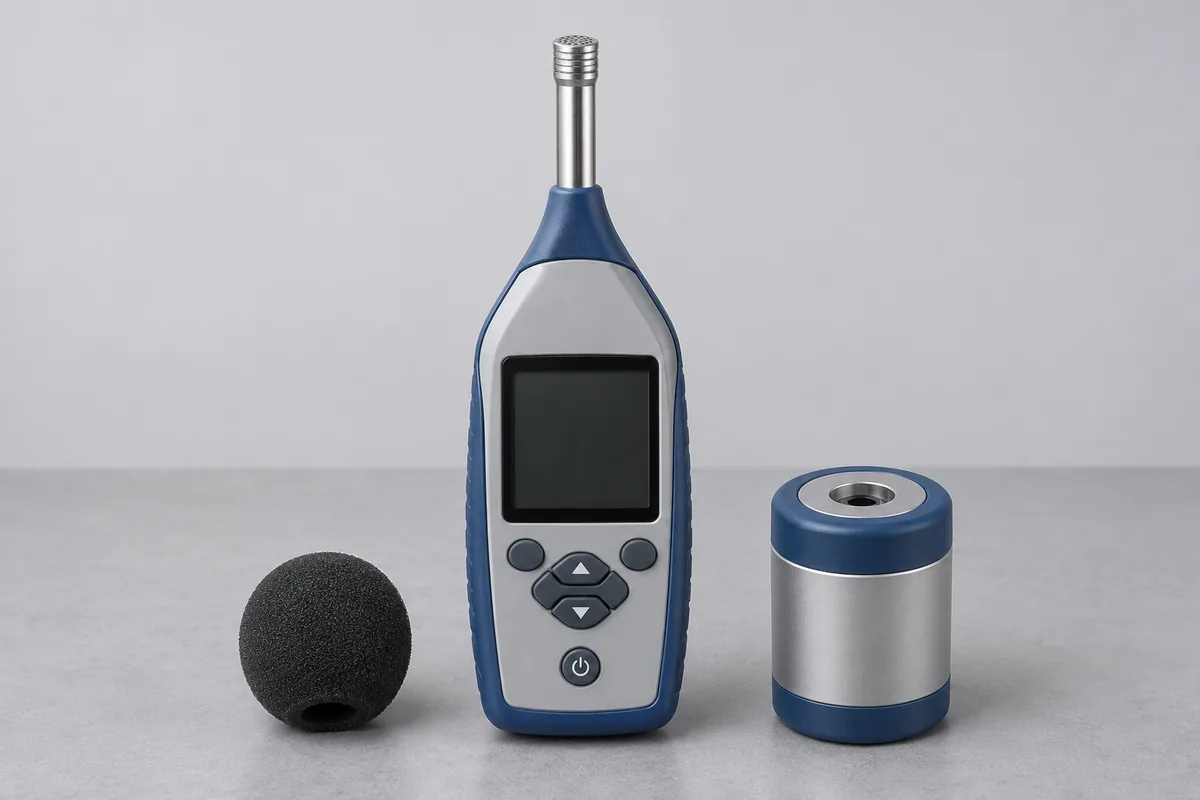
Copy the nominal sound pressure levels and frequencies marked on the unit or specified by its manual. Identify each setting that needs a reported result. State whether the item is an electronic sound calibrator or a pistonphone, and include its previous calibration chart if it is part of your field-check records.
If your procedure requires frequency or distortion information in addition to sound pressure level, list it explicitly. The request should state the measurement requirement and the acceptance limit used by your equipment procedure. RTS can then review the model and proposed work before confirming a quotation.
Keep the microphone adapter identified
Give the adapter designation and the microphone size or model it serves. A different adapter changes the coupling arrangement and should not be treated as an interchangeable packing item. Record the accessories that belong to the calibrator and report a damaged seal or loose fitting from observations already made during normal use.
Some calibration charts specify environmental conditions or corrections. Include those documents so the requested result can be reviewed in context. Calibration of this sound source and calibration of the complete sound-measuring instrument are separate entries; ask for both if the survey kit needs both records.
Send the reference with its own record
Identify the person responsible for the source's calibration history, even if another department holds the meter. Include the protective case, listed adapters and the existing chart. Confirm the return destination and the date the kit is required for its next survey.