
On this page
Matching working faces on paired blocks
Keep paired blocks together and identify their long working faces. Indicate whether they are always used as a matched pair or are mixed within a larger set. A result for each block and the matching difference allows the tool setter to rebuild the intended support.
If two parallels support a part on a milling table, unequal height can tilt the part although each individual block has parallel faces. Asking for pair matching as well as the face measurements makes that possibility visible on the report.
Specifications and service checks
A nominal 20 mm pair can support a flat part level only as well as the match between its two working heights. Identify which orientation is used, as shop parallels can be stood on their narrow or broad faces.
- Range and configuration
- A matched pair has nominal height and thickness as well as a smaller permitted difference in height. Order those results separately if they support a workpiece as a pair.
- Manufacturers and models
- Starrett 384G is a steel parallel. For a matched set quote the pair numbers or the matching marks.
- What we check
- Measure each block at several positions and compare the two working heights on the same datum. Include face parallelism where it locates the part.
- Reference equipment and accuracy
- Use a calibrated length comparator, suitable gauge blocks and a characterised plate. The pair difference may need better uncertainty than either absolute height.
- When to repeat the check
- Check high spots and bruised edges after clamping damage. Keep the pair identity when reviewing wear and recall.
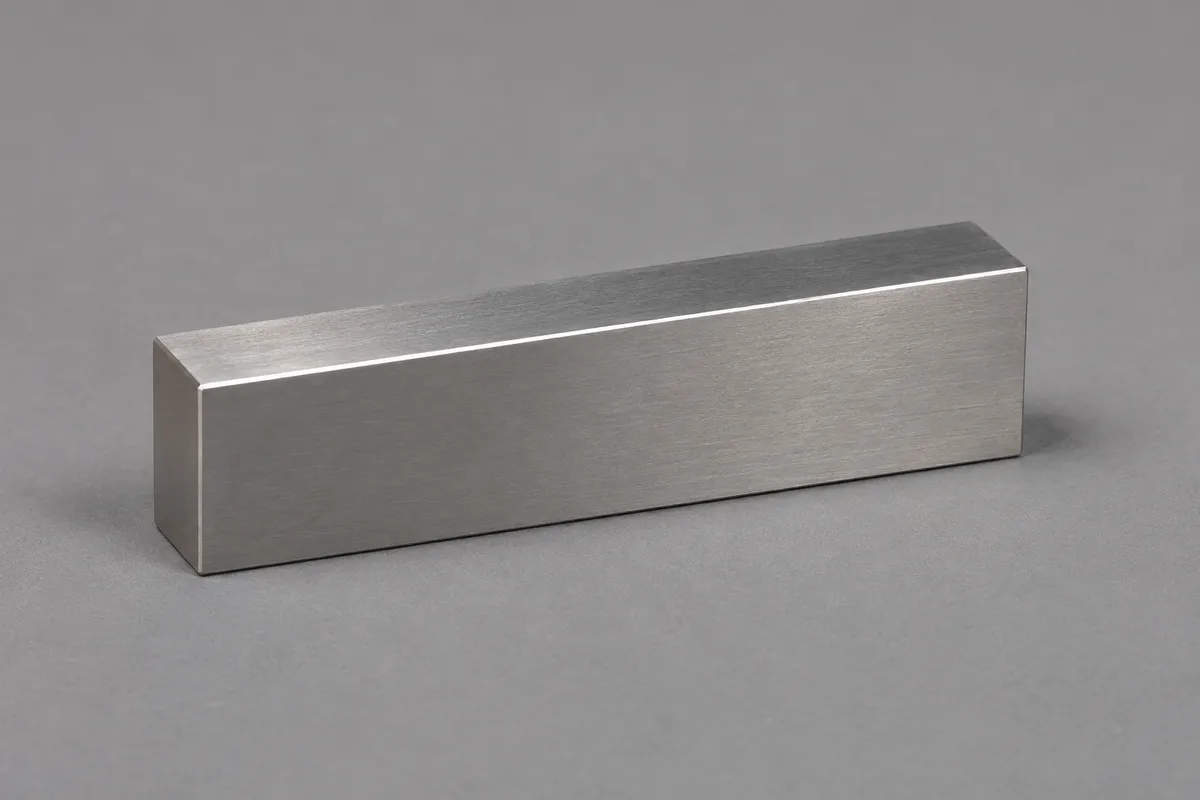
Technical references 384G Steel Parallel - Starrett