
On this page
Pressure reference and electrical output
Specify absolute, gauge or differential pressure, the electrical output and any required excitation. If your certificate must cover the reading on a particular display, identify that display and cable. Otherwise the sensor result can retain its native signal unit at each applied pressure.
A sensor rated in mV/V produces an output related to its excitation voltage. Two readings in raw millivolts taken with different excitation cannot be compared directly. Record both excitation and signal if the result will be used to calculate sensitivity.
Specifications and service checks
If a bridge sensor goes back into service with a new amplifier, the old engineering-unit scale may no longer apply. Record the bridge output convention, supply and amplifier channel beside the sensor serial so the two components can be assessed together when required.
- Range and configuration
- Report the measuring span and output type together, for example gauge pressure with a current output. Supply voltage and scaling belong with the serial number.
- Manufacturers and models
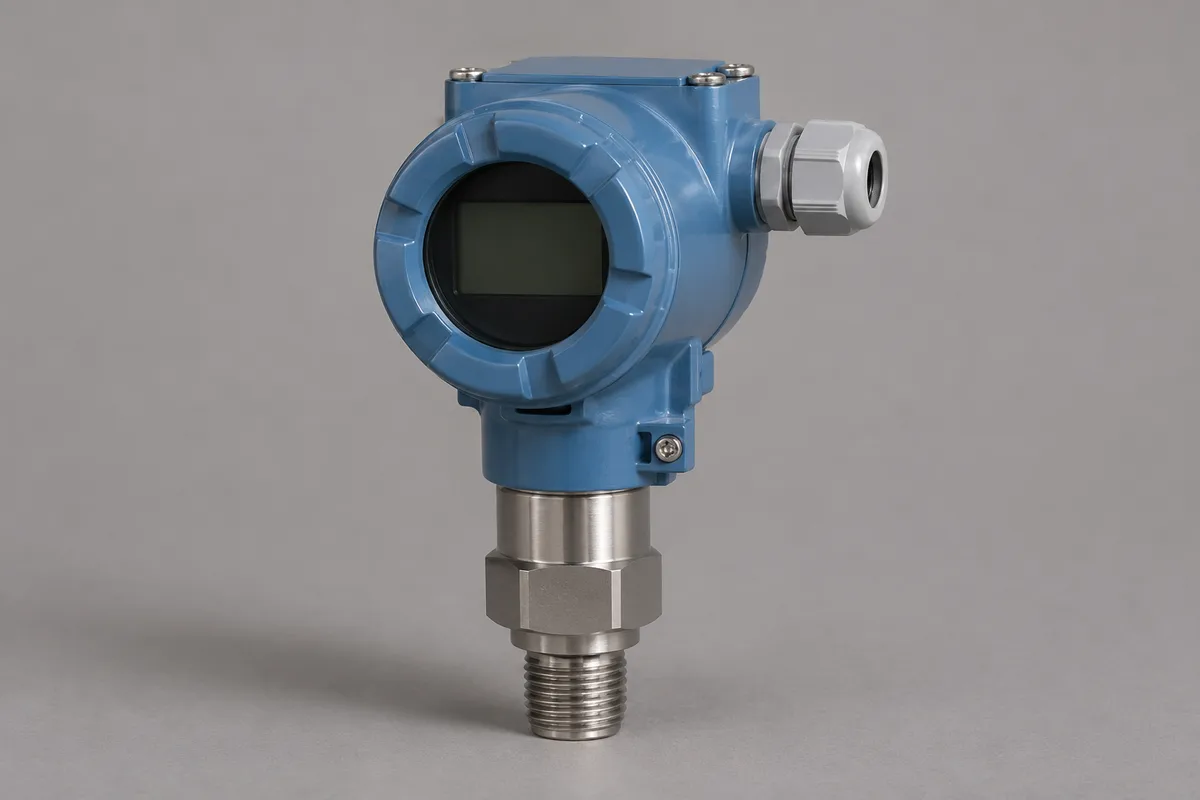
- WIKA A-10 is a pressure sensor offered with different electrical outputs and pressure ranges.
- What we check
- Compare input pressure with the sensor signal. Include the readout in the comparison if the plant uses the combination as a single instrument.
- Reference equipment and accuracy
- A calibrated pressure reference and suitable electrical readout are the masters. Their combined uncertainty must resolve the required pressure error.
- When to repeat the check
- Review zero and span after overpressure, wiring changes or sensor replacement.
Technical references Pressure transmitter A-10 - WIKA USA