
On this page
Settling time after the pressure changes
If a gauge takes several seconds to settle, tell us whether the symptom occurs on a rising pressure, a falling pressure or both. A steady-point comparison records the eventual indication. Investigating the delay also needs the snubber design, medium and the way the gauge is normally connected. Include the snubber with the gauge if it is part of the assembly your maintenance team wants checked.
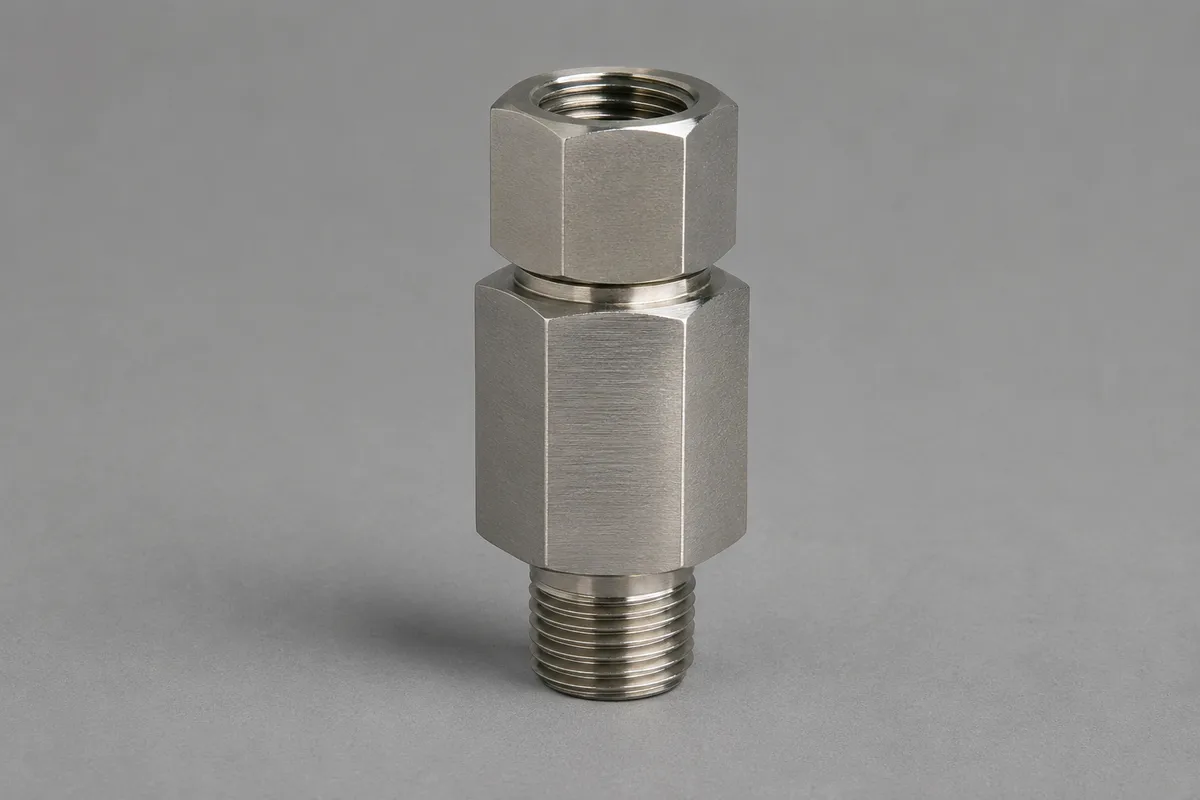
Pressure snubbers
Identify its model, adjustment position if applicable and where it sits in the line. A steady-pressure calibration and a check of dynamic response are different requests. Tell RTS whether the snubber must remain in the agreed assembly and keep it identifiable. Any response or blockage assessment should be described separately from the gauge's indicated-pressure results.
Specifications and service checks
A snubber selected to steady a pulsating pump dial can also slow its response to a genuine process change. If operations need both a readable dial and a response within a specified time, define those as separate performance requirements.
- Range and configuration
- The useful characteristic is damping or response delay under defined conditions. A maximum working pressure does not specify the delay.
- Manufacturers and models
- WIKA offers gauge snubbers for pulsating pressure service. Some versions use an adjustable restriction.
- What we check
- Compare upstream and downstream pressure response following a defined change. Include the installed gauge when its response time matters to the job.
- Reference equipment and accuracy
- Use calibrated pressure sensors with adequate time response and a traceable timebase. A steady gauge reading alone cannot qualify dynamic damping.
- When to repeat the check
- Reassess after cleaning, restriction adjustment or replacement with another design.
Technical references Pressure Gauge Snubbers