
On this page
Matching material to each block
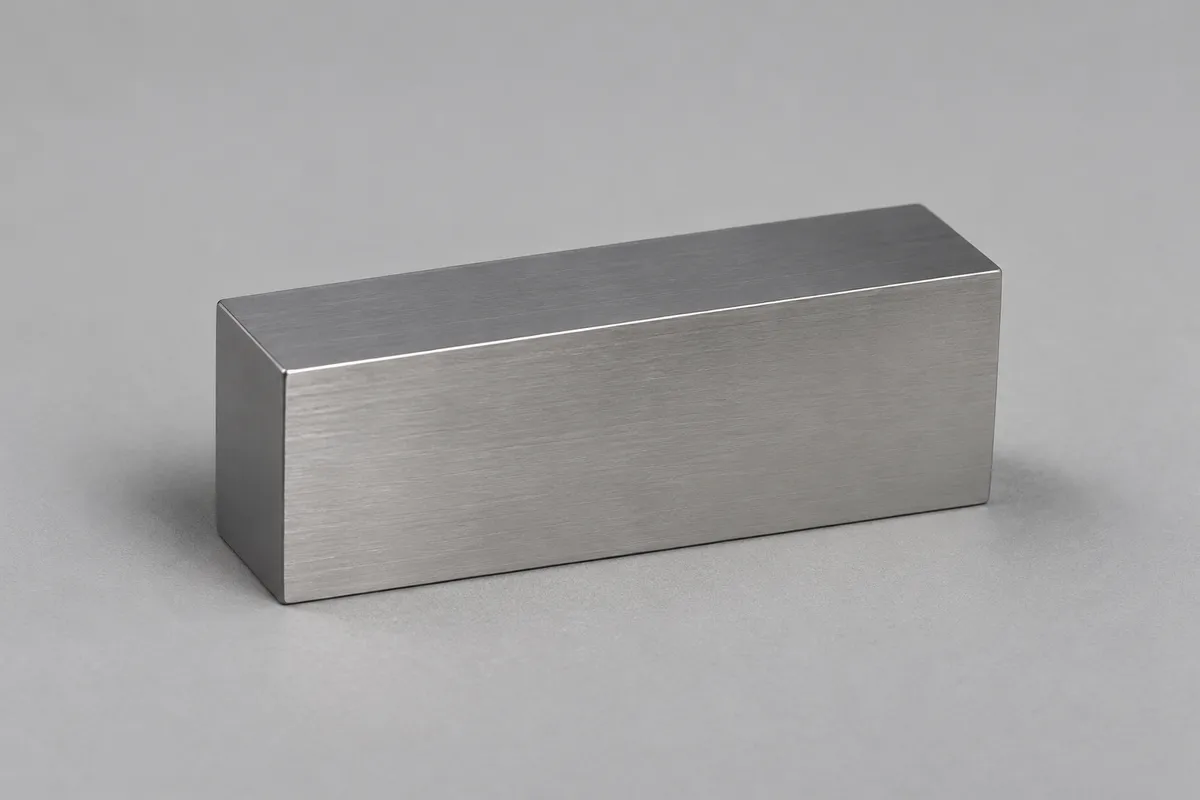
Show the material against each block and identify any steel or ceramic pieces included in the kit. State whether the block is used by itself or as an end piece on a stack. Note edge damage separately from the condition of the centre measuring faces.
If a workshop puts a carbide wear block at each end of a steel stack, it has two separate carbide pieces to trace. A sketch showing the set number and marked size of each end piece avoids applying one result to both.
Specifications and service checks
Two blocks of the same nominal length made from carbide and steel do not respond identically to temperature change. Identify the material used in each reference stack before interpreting a small disagreement after one stack was handled.
- Range and configuration
- Each block has a nominal length and an individual length correction. The tolerance depends on its nominal length and the stated standard and grade.
- Manufacturers and models
- Mitutoyo supplies steel and ceramic Series 516 sets. For a carbide block, use the material and maker on its certificate when selecting the comparison reference.
- What we check
- Allow the carbide block and reference to stabilise before comparison. If the reference is steel, include the different thermal expansion and contact deformation in the result.
- Reference equipment and accuracy
- Use a reference block of known central length and uncertainty, with a comparator or interferometer. Account for material and temperature, especially when comparing unlike materials.
- When to repeat the check
- Keep measurements of the most frequently wrung blocks. Wear, corrosion or relapping can justify recalling one block ahead of the rest of the set.
Technical references NIST gauge block handbook · Mitutoyo Gauge block catalogue