
On this page
Current setting and voltage under load
A workshop investigating a weak weld may have a current setting from the welder and a voltage reading from the panel, both labelled only with the machine number. Mark which value came from where. For the comparison we need the welding process, AC or DC output, control setting, specified load and rated duty interval. We can then quote the output check, the panel indication or both.
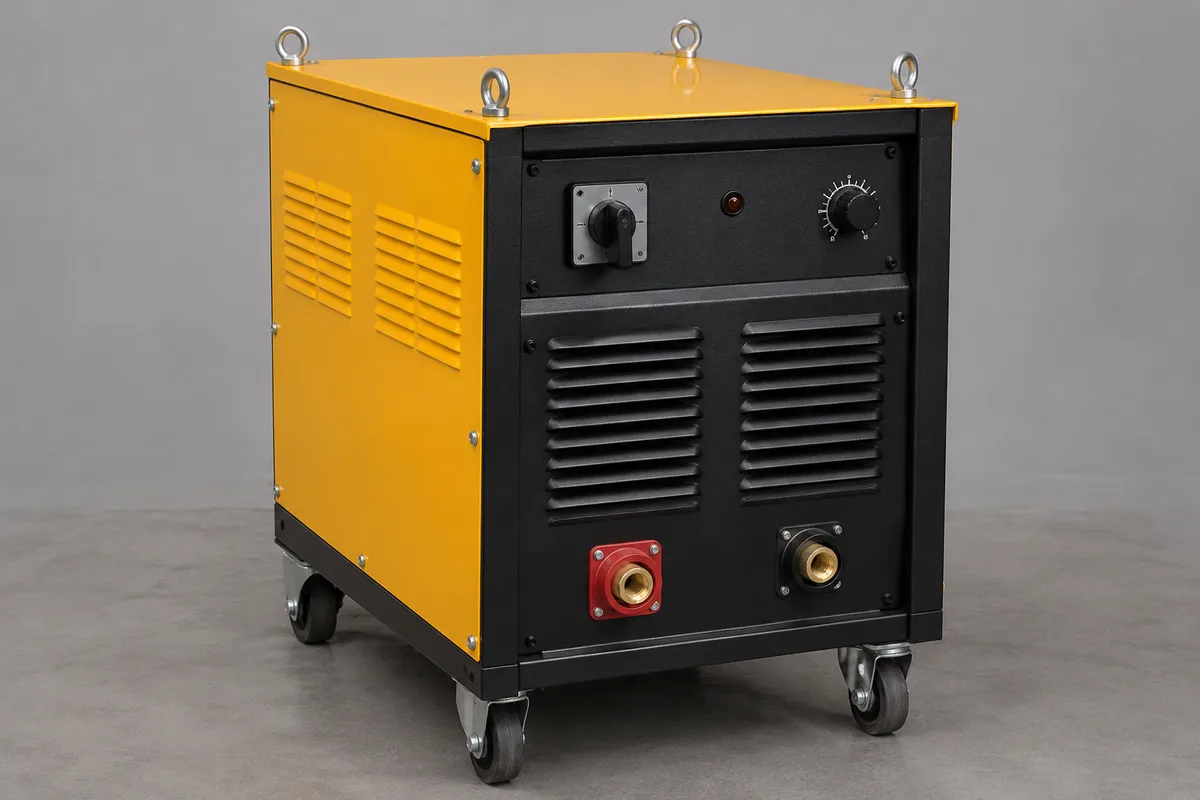
Welding transformer and associated indicators
Provide the process type, output mode, load conditions and the selected readings that your procedure controls. An assessment may need the installed output circuit and its reference method reviewed. Include the duty arrangement and responsible electrical contact; a meter comparison alone should not be presented as certification of the whole welding process.
Specifications and service checks
A weld controller may use actual current feedback while the workshop adjusts a nominal setting. For a complaint on a short weld cycle, describe the intended current quantity and the part of the cycle used by the monitor. A steady-load reading covers a different condition.
- Range and configuration
- Specify current in amperes under load. Open-circuit voltage and output current at a welding load are different characteristics.
- Manufacturers and models
- Miller Thunderbolt XL is an example of a welding power source with current settings. Identify AC or DC output and the rated duty cycle for the unit.
- What we check
- Compare output current with the indicated or selected value at defined loads; verify voltage indication separately where fitted.
- Reference equipment and accuracy
- Use a calibrated welding-current reference or suitable shunt and a rated load bank. For AC, account for waveform and reference bandwidth.
- When to repeat the check
- Check after terminal, cable or selector work and investigate an unexplained shift in the output at a familiar setting.
Technical references Miller Thunderbolt XL welding power sources