
On this page
Striker mass and working dimensions
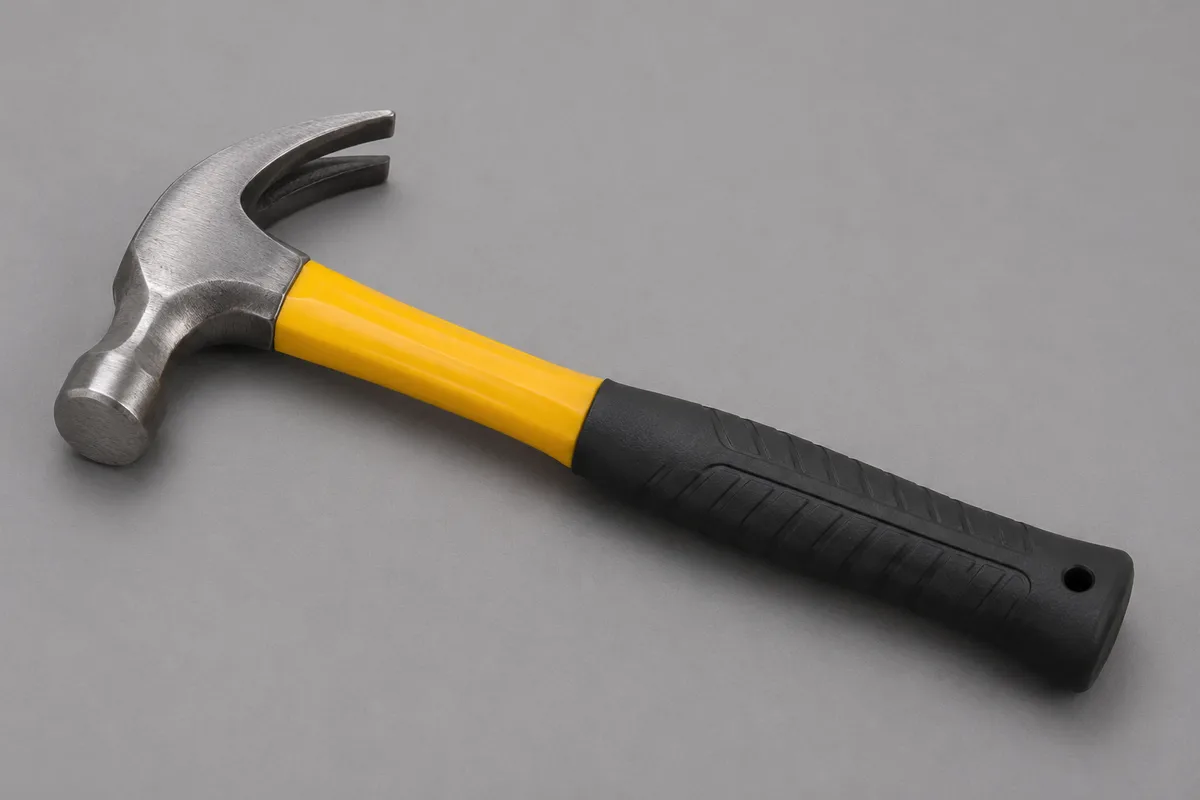
For a specified striker, identify the head, nominal mass and the dimensions controlled by the equipment drawing. If it belongs to a test machine, include that machine’s asset number. A general workshop hammer can instead be recorded by its size and condition.
A test rig might label a complete drop assembly as the ‘hammer’ while the drawing assigns separate masses to the striker and carrier. Say which pieces the stated mass includes and which can be weighed individually. Where the striker face matters, identify the profile drawing rather than relying on the mass marking.
Hammer used for assembly or a specified test
A hammer used in a defined impact test is a different request: supply the test method, hammer identity and quantities to be checked. Mass, geometry and drop conditions belong to that specified apparatus. Do not infer those requirements from the word hammer alone.
Specifications and service checks
An ordinary workshop hammer and an instrumented impact hammer can have similar asset descriptions. Photograph the marking and any sensor connector so the inspection covers either the physical tool or the measured output as appropriate.
- Range and configuration
- Head mass and overall length identify a hand hammer. Impact energy requires additional information on velocity or a controlled test rig.
- Manufacturers and models
- Bahco’s 479 ball-pein family includes a 230 g version.
- What we check
- For tool inspection, examine the head and handle attachment and verify marked dimensions or mass where the purchase specification requires it.
- Reference equipment and accuracy
- Use a calibrated balance with adequate capacity. If only the assembled tool can be weighed, report that mass explicitly.
- When to repeat the check
- Inspect at issue and after handle replacement. Schedule a force or energy test only for a tool built to a defined impact test method.
Technical references Bahco product reference