
Define the bench configuration
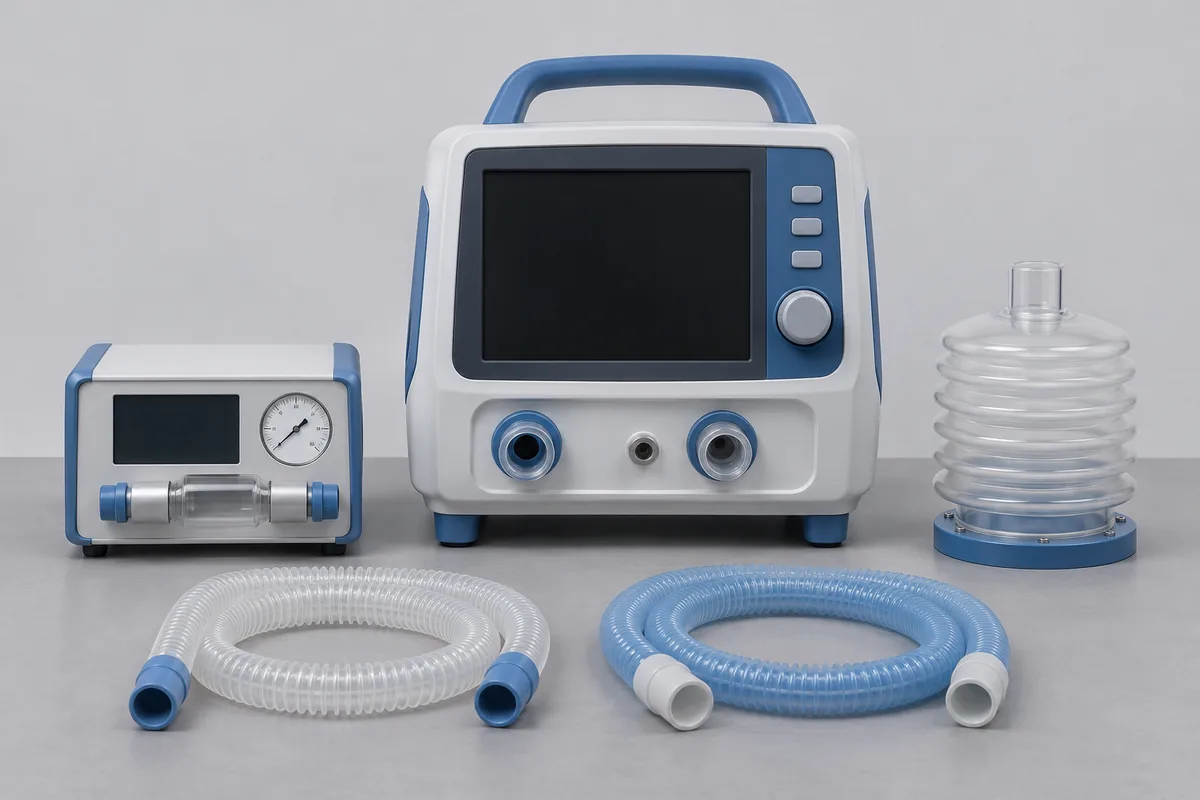
Provide the manufacturer’s service procedure reference, the model variant and the accessories it specifies for the engineering test. Indicate whether the workshop will supply the test circuit, adapters or test lung. Give any requirements for the test location to RTS when asking about scheduling.
Name what is being measured
Indicate which engineering test modes, flow directions, pressures and volumes need entries on the report. Include required units and the measurement conditions specified by your procedure. If a separate differential pressure meter in the workshop needs calibration, identify it by its own model and range.
Record the gas and reference conditions
Flow and volume results depend on the gas and reference conditions used by the instrument and analyser. Include the gas specification and reporting convention in the approved service procedure. If a result is corrected to a reference temperature or pressure, identify that convention rather than sending a number with only litres as its unit. Keep the circuit and sensor configuration associated with the recorded values.
List the checks required for the particular model and software version, including any separate pressure indication or alarm records. A previous test sheet is useful when the engineering department needs the same conditions repeated. RTS will review the requested bench configuration and equipment requirements before confirming the work. The responsible biomedical team supplies or approves the service procedure and controls equipment preparation, isolation from clinical use and release after review of the results.
Agree who supplies each accessory
Keep an accessory list with the case and name the engineer at the final destination. Identify the sensors, adapters and test circuit expected for the agreed work. Confirm the preparation requirements and receiving address before transport, especially when the service workshop and equipment owner are different organisations.