
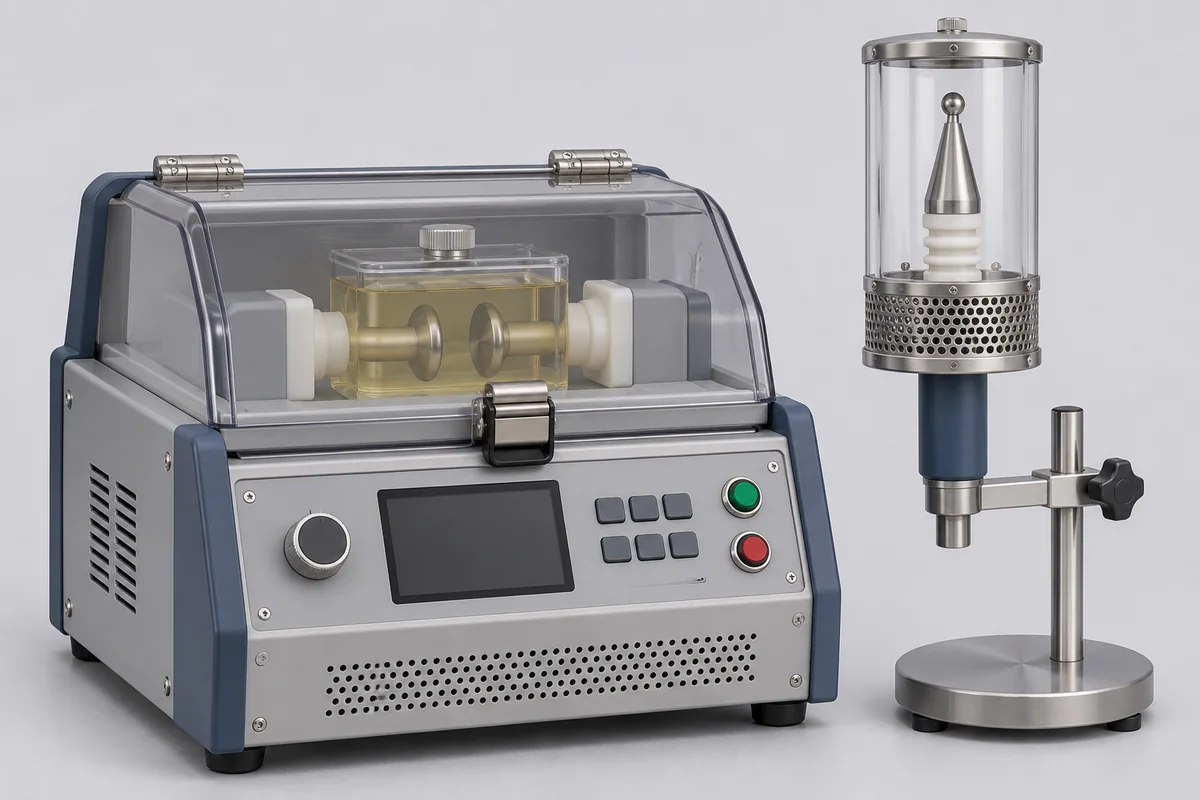
Oil test sets
An oil test set reports breakdown voltage under a defined test sequence. Give its voltage ramp, reading function, test-vessel arrangement and the procedure used by your laboratory. Distinguish calibration of the instrument from testing an oil sample. Include the manufacturer's verification instructions and any check-device record. RTS needs these details to assess the appropriate service route; a routine check device is not automatically a calibration reference.
Surge testers
A surge tester uses pulses and a recorded response, so describe the pulse setting, measured waveform and comparison your procedure requires. Identify the winding fixture and channels used. A steady AC or DC voltage check does not evaluate the whole surge function. Provide the manufacturer procedure for review, and ask the quotation to state which pulse parameters and indications can be checked rather than requesting an unspecified full calibration.
Turn testers
The name turn tester can describe a winding comparison instrument or a system using surge waveforms. Include the model, operating principle and the result shown when a winding is accepted. Identify master coils, fixtures and any reference waveform file. If the requirement is a turn count or ratio result, say so explicitly. RTS can then review the correct method without confusing it with an insulation or surge-only assessment.
Vacuum bottle testers
A vacuum bottle tester used on switchgear evaluates an interrupter under its prescribed electrical test. Record the instrument's output type, voltage indication, timing and leakage or pass/fail functions. The word vacuum here does not mean that it measures chamber pressure. Send the manufacturer procedure and required checks for assessment before arranging the job; a vacuum-gauge calibration request would address a different measurement altogether.
Keep the instrument result separate from the product test
An oil breakdown record or a winding comparison may be the result your laboratory sells, but the calibration enquiry concerns the test instrument producing that record. Mark the indications and generated quantities that require verification. A stored pass/fail sequence may contain timing, limits and calculation settings as well. Preserve its revision so the scope of the instrument check can be understood later.
Review the reference and facility requirements first
Send the manufacturer's verification procedure and required uncertainty or acceptance limits with the initial request. Do not infer capability from the voltage rating on another instrument or from a general electrical service title. RTS must confirm the test arrangement, competent personnel and accepted functions before booking. Installed equipment also needs a site plan defining the responsible operator and the agreed isolation and access arrangements.
Record the agreed return evidence
The quotation should distinguish measured values, functional observations and any decision made against supplied limits. Name the person who will review that evidence before the test set returns to controlled work. Keep fixtures and verification accessories listed by identity, especially when the instrument normally belongs to a shared laboratory bench.