
Request a result for each output
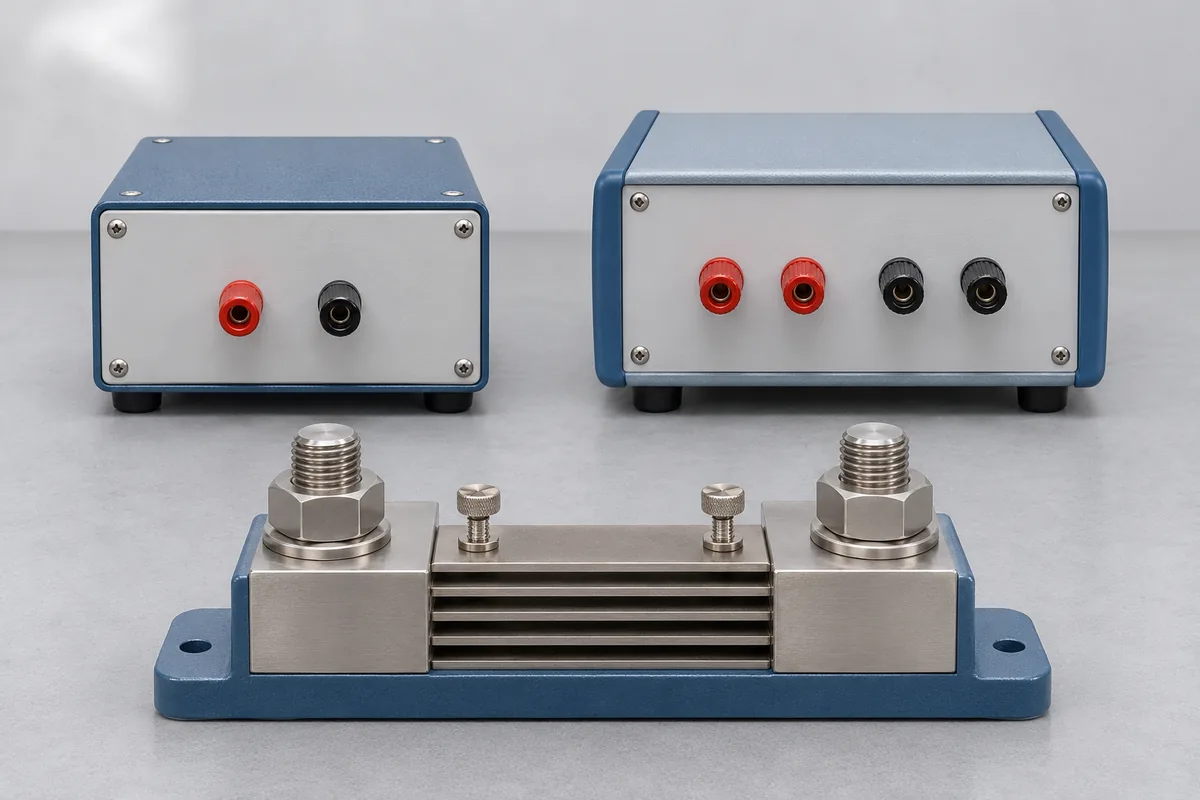
List the model, serial number, nominal DC outputs and any polarity or terminal arrangement specified by the manufacturer. Include the previous reported values and dates if you track drift. RTS can review whether the required measurement uncertainty is available for each level.
Agree how the reference will travel
State any continuous-power requirement, warm-up period after power loss and transport restrictions in the manufacturer's instructions. If the reference uses a battery, identify its type and condition. Agree the transport and stabilisation arrangements before booking a carrier.
Preserving a useful drift record
Keep the earlier certificate values beside the nominal outputs, including the uncertainty and the date of each comparison. The printed nominal value is not a substitute for the reported value used by your laboratory. If the reference was adjusted, repaired or allowed to lose power, record when that happened so the next result can be interpreted against the correct history.
Identify the output terminals used and any permanent leads or switching unit involved in routine comparisons. Tell RTS whether you need values before an authorised adjustment as well as after it. Agree the required result, environmental conditions and stabilisation arrangements at quotation stage. A request for a particularly small uncertainty needs technical review; it should not be inferred from the number of digits printed on the reference.
Keeping a bench in service
Say whether a second reference will cover the time this one is away. If a reference is shared between laboratories, specify the custodian and return destination as part of the same request. Retain its previous results in the laboratory record.